


- Overview
- Trip Outline
- Trip Includes
- Trip Excludes
- Gallery
- Reviews
- FAQ
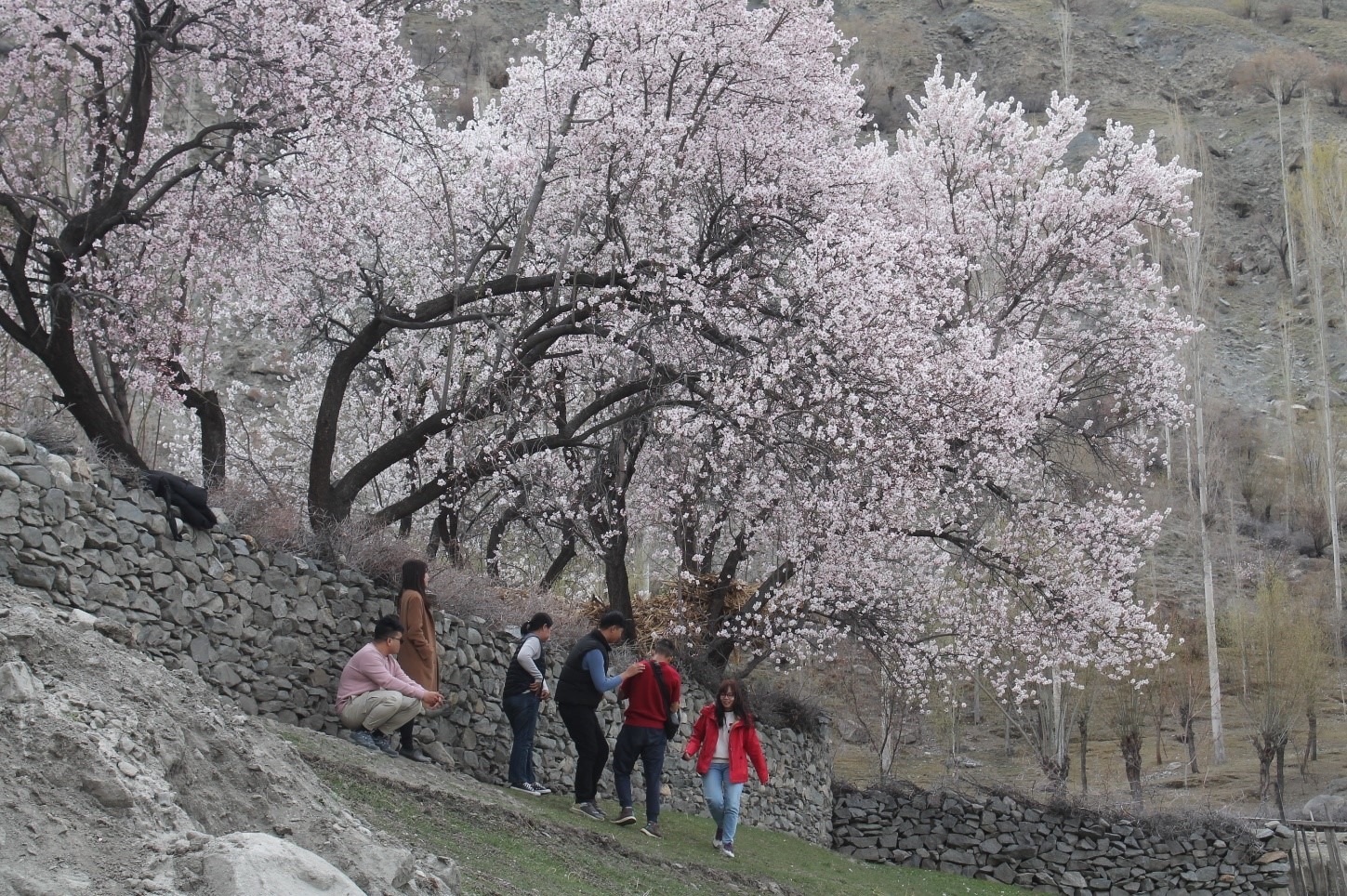
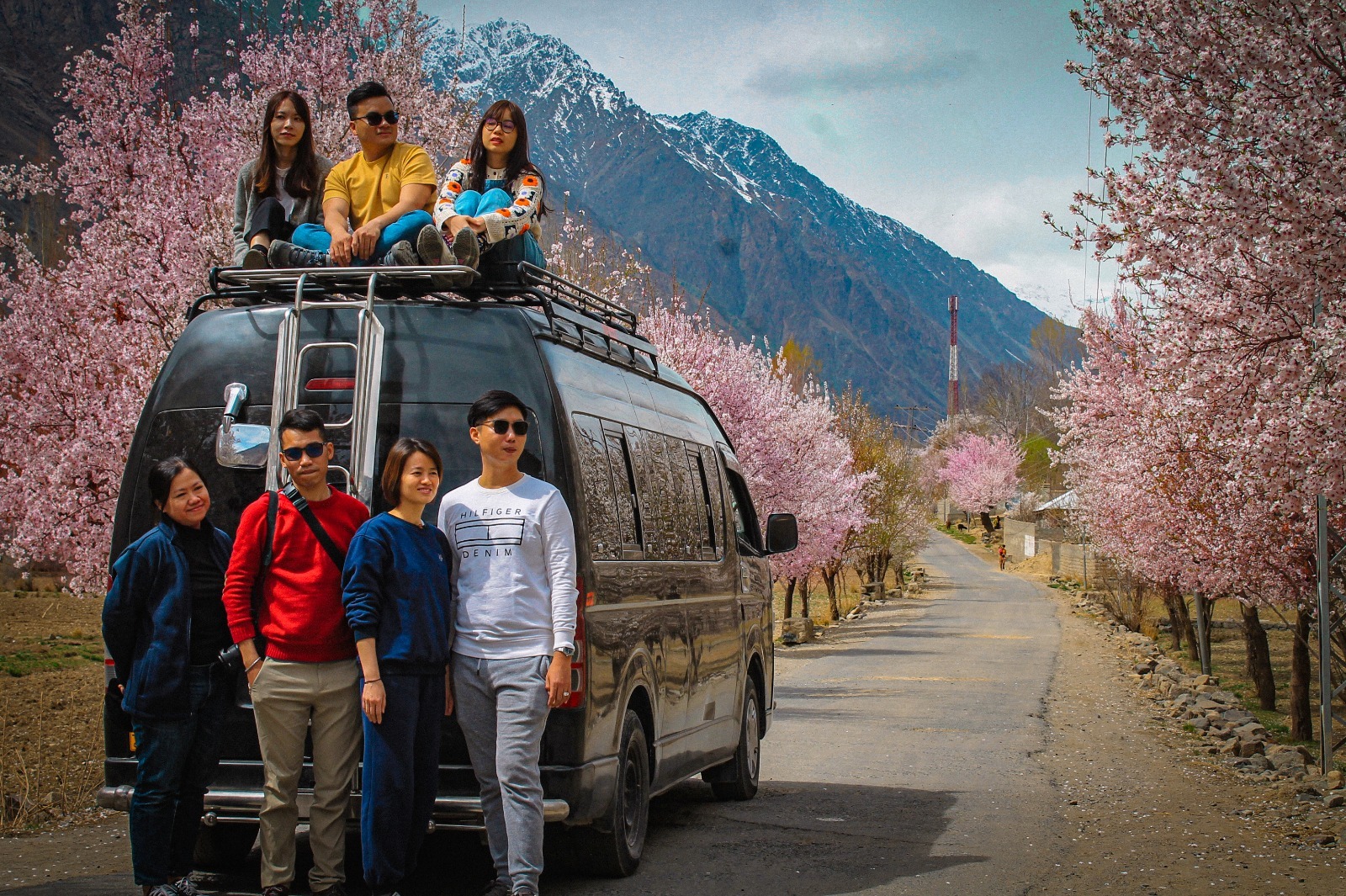
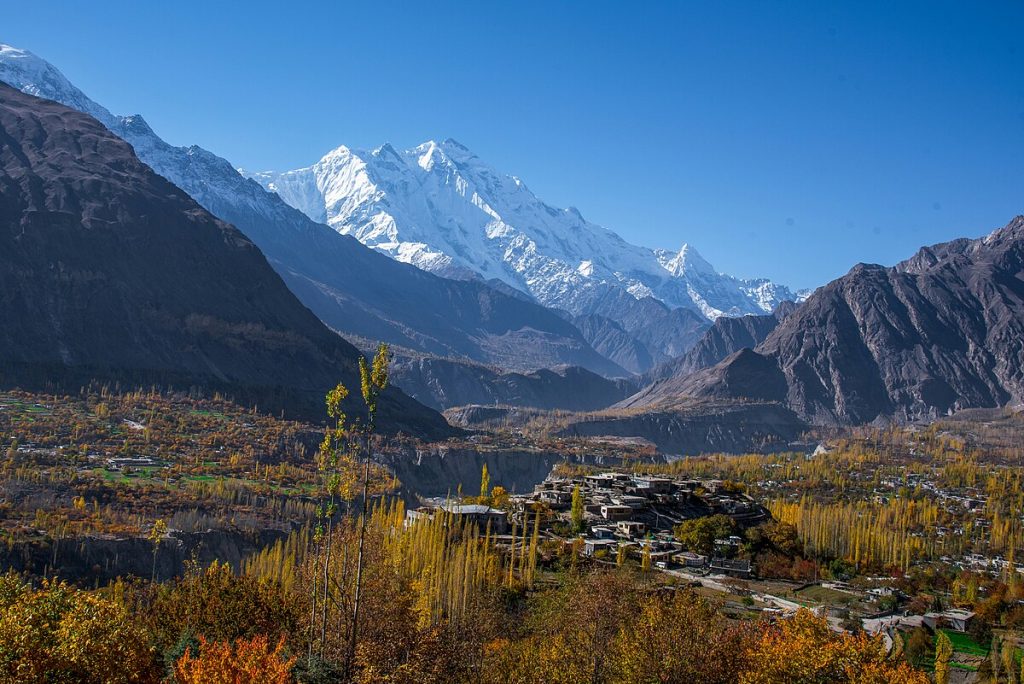
This tour package is designed to explore Pakistan’s best tourism destination” Hunza Valley” in Blossom Season, as the views of valleys are incredible throughout the year but visiting the area in blossom becomes more special & appealing and the tour covers the two top hiking destinations the “Rakaposhi Base Camp & Naga Parbat Base Camp”. Hunza is a mountainous valley in the Gilgit–Baltistan region of Pakistan. Hunza is situated 100Km from Gilgit and stretch to Khunjerab Pass (China Border) at an elevation of around 2,500m to 4733m. Aliabad is the main town while Baltit/ Karimabad is a popular tourist destination because of the spectacular scenery of the surrounding mountains like Ultar Sar, Rakaposhi, Diran Peak and Bublimotin (Ladyfinger Peak), all 6,000 metres (19,685 ft) or higher.
Upper Hunza is peaceful and exotic valley offers scenic beauty of valleys, lakes, glaciers, snow-cape Mountains, rivers and utmost hospitable people. In this trip you will explore following best attractions of Hunza and many more..
Fairy Meadow is one of the best tourist attractions in Gilgit-Baltistan, most popular trekking holidays for foreign and domestic tourists. Nanga Parbat is world’s ninth highest peak. it is a lush green area near one of the base camp sites of the Nanga Parbat at an altitude of 3,300 meter, in Diamer District. Fairy meadows can be accessed from Raikot on KKH via adventurous Jeep ride and trekking. Fairy Meadows is approachable by a 12-kilometer-long jeepable track starting from Raikhot Bridge on Karakoram Highway to the village Tato. Further from Tato, it takes about 3-4 hours hiking by a 5-kilometre trek to Fairy Meadows. Tourist season at Fairy Meadows starts from April till October.
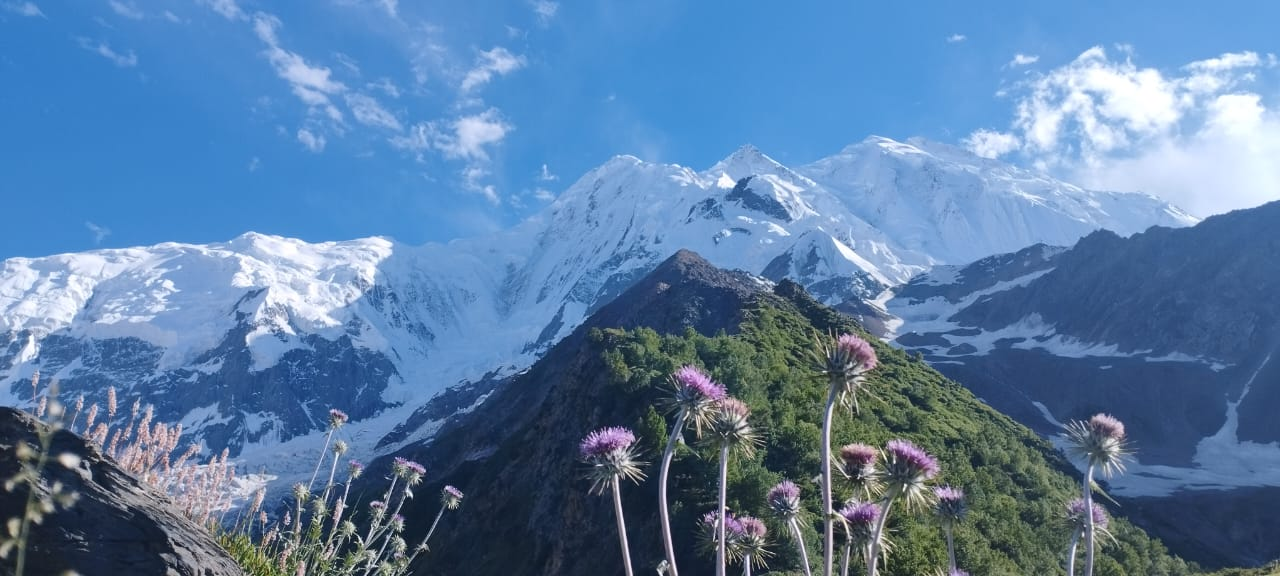
Rakaposhi Base Camp (Rakaposhi View point ridge 3800m) trekking is so easy and accessible and at the same time very enjoyable. It is 2-3 hours from Minapin village.
to Hapakun, 3-4 hours easy walk on easy trial than from Hapkun to Rakaposhi Base Camp. The Katchelly Glacier that takes 2-3 hours on the moraine has to be crossed for the Diran Base Camp. You can do a day trip to Diran Peak Base Camp or spend the night in the Diran Base Camp. From Diran Base Camp you can go for an excursion to Katachelly Lake for 2-3 hours, or from the base camp, you can go for a day’s walk to the Diran Peak advance camp or ABC camp. There are several peaks below 6500 m around Diran’s base camp, named trekking peaks to climb them these peaks are the Pheker Peak 5480 M, Mirshikar 5450 M, and Katchelly Peak 5800 M and you can also do skiing from those peaks as well. From Rakapsohi Base Camp you can enjoy very nice views of Hunza Valley and Ultar peak
No details found.
Itineraries
Day 1
Islamabad Arrival
Arrival at the airport in Islamabad our representatives will welcome you at the will international arrival. After Greeting and meeting transfer to hotel.
Day 2
Flight Islamabad – Gilgit, Drive to Karimabad, Hunza
Fly to Gilgit from New Islamabad International Airport. In one hour, flight you will have great experience of aerial view of the great Karakarum-Himalaya ranges from the PIA ATR operating between Islamabad and Gilgit. After visiting Gilgit local Bazaar, drive to Karimabad (Hunza Valley) en route stop for lunch at Rakaposhi View Point. Evening Sunset view at Duikar eagle nest. Night stay in Karimabad.
Day 3
Minapin to Hapkun hiking
After early breakfast we will depart for Minapin, a small village and the starting point for both Rakaposhi and Diran base camps. Minapin to Hapakun 2800M (3 hours, 5.8 km and 800m Ascent) It takes a maximum of 3 hours to reach Hapakun (2800m) from Diran Guesthouse situated at Minapin village. Trek starts from the village along with a canal under shaded trees 15 minutes towards the Minapin River. The trail turns south into the canyon and crosses a footbridge over the river’s true left bank after 10 minutes. The trail continues through the juniper trees to a grassy-tiered meadow of Hapakun. From the meadow of Hapakun, you can have a view of Hachindar and Maiun peaks above the Hunza River. Overnight Camping in Hapakun.
Day 4
Hapakun to Tagaphari Hiking
Hapakun to Tagaphari 3300M (2-3 hours, 3km, 450m ascent). A steep trail continues from Hapakun to Tagaphari. The trail eases off and contours the rocky slope for 30 minutes to a verdant bowl where wildflowers and colorful songbirds thrive. Sweeping gently through the meadow, the trail enters scattered juniper stands and climbs switchbacks to the windy ridge top, where Diran, Rakaposhi, and their interconnecting ice wall finally come into full view. The trail thins and traverses a rocky cliff above the spectacularly broken Minapin 15 minutes to Tagaphari (3261m) Taga means muddy and Phari means pool in Burushaski Language. From Tagaphari you can catch the sunset on Diran and overnight in the tent.
Day 5
Rakaposhi Base Camp to Minapin
Trek back from Rakaposhi base camp to Mainpin and then proceed to Karimabad arrival in Karimabad check-in at the hotel and in the evening we will go to eagles nest for the sunset Safari to the top of Hunza Valley. Overnight stay in Karimabad Hunza.
Day 6
Explore Karimabad then drive to Passu
In the morning after breakfast, we will visit Baltit Fort Karimabad local bazaar, Altit Fort, Altit old village, and in the afternoon visiting Karimabad bazaar. In the evening further drive to Attabad Lake en – route stop at the Hunza scared rocks to see the rock carvings then continue our drive up to the Attabad Lake then further drive to Passu Upper Hunza check-in at the hotel and rest of the time free for individual activities. Overnight stay in Passu.
Day 7
Explore Passu & Surrounding attractions
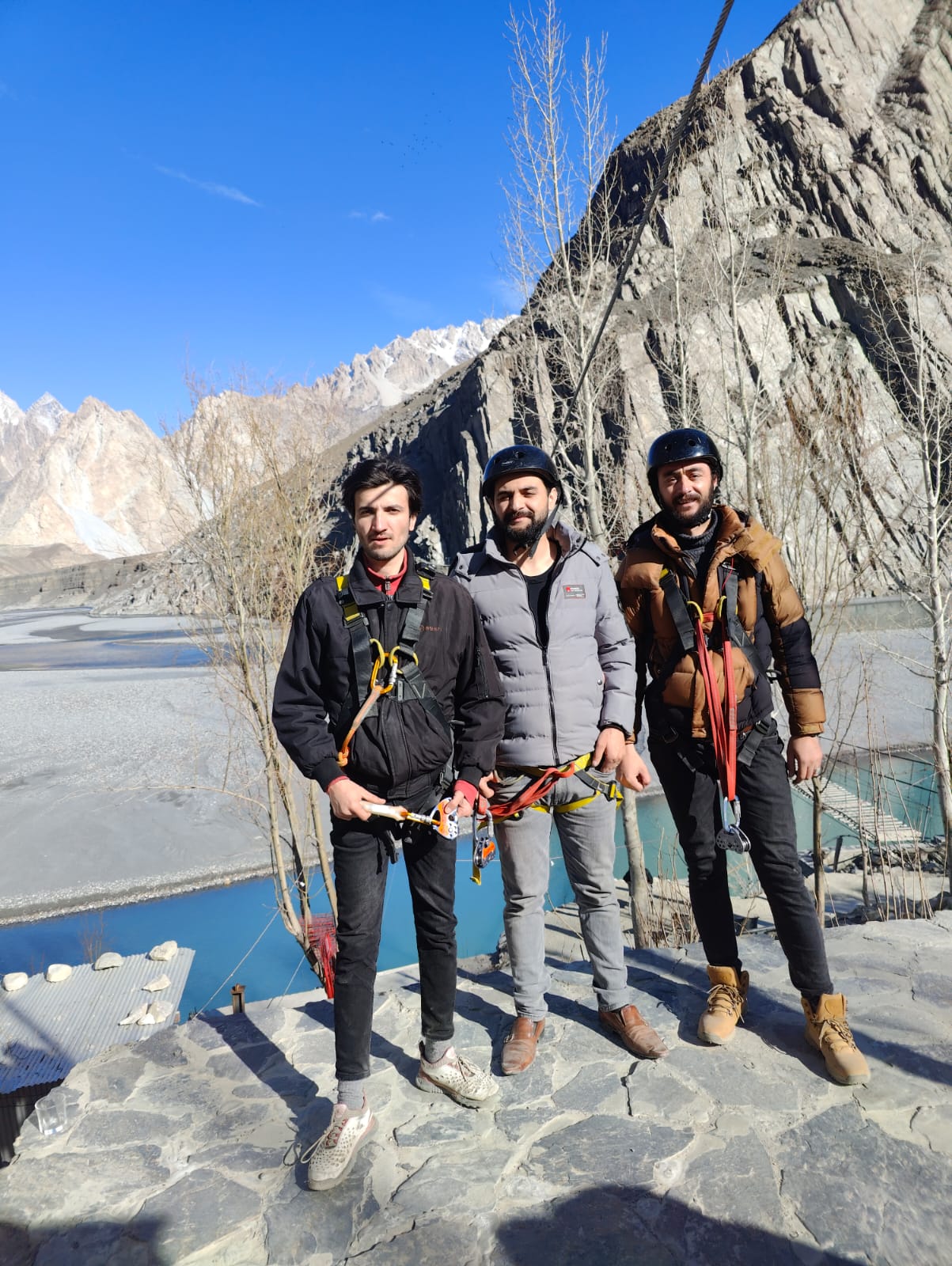
Today is a day to full enjoy the nature with trekking. We start the day with the long but easy trek to Passu suspension bridge. This bridge is not touristy like Hussaini bridge and it provides dramatic view over the mountains and river. After crossing the bridge, we continue to trek to the farmland of Passu village where we can see herds of cows/sheep’s grazing on farmland with the back ground of snowcapped mountain. After the trek (around 3-4 hours) we go back to village for lunch. After lunch we will visit Passu village, the peaceful village with the most beautiful view over Passu cones, the symbolic mountain of Hunza. Overnight at Passu.
Day 8
Passu- Khunjerab Pass – Gilgit
Drive to Khunjarb National Park visit the Pakistan and china border crossing at Khunjarav Pass, which is 4693m above sea level as one of the world’s highest paved border crossings. We can see some rare wild animals in this area like Ibex, snow leopards if we have good luck. Drive back to Gilgit, on the way back we will visit Sost and Khyber village if time allows us. Overnight at Gilgit.
Day 9
Gilgit - Raikot Bridge – Fairy Meadow
Early the morning after breakfast eparture for Fairy Meadows, we will transfer to the mountain jeep at Raikot Bridge for further drive to Tatto village on the narrow Jeep track. Arrive in Tatto village and start trek to Fairy Meadows, Arrive at Fairy Meadows check in at hut and after a short rest we will do some short walking around; overnight stay in the local style wooden huts.
Day 10
Fairy Meadow to Beyal Camp
You will have a full day to enjoy the stunning natural scenery, go on short hikes, and relax in the serene environment. If you are feeling adventurous and want to explore more of the area, you can opt for a guided hike to Beyal Camp, which is located at an altitude of 3,700 meters and offers breathtaking views of the Nanga Parbat. The hike to Beyal Camp is a challenging one, but it's worth it for the panoramic views of the surrounding mountains and valleys. The trek to Beyal Camp takes around 4-5 hours, and you will need to carry your snacks, water, and warm clothing. Your tour guide will provide you with all the necessary information and equipment required for the hike. If you prefer a more relaxed day, you can spend your time at Fairy Meadows, enjoying the natural beauty and tranquility of the place. You can take short hikes around the meadows, visit the nearby streams, and take photographs of the stunning views. In the evening, you will return to your lodgings at Fairy Meadows, where you will have dinner and spend the night, surrounded by the peaceful and serene environment of the Himalayan range. Fairy Meadows is a perfect place to disconnect from the world and connect with nature, and this day will allow you to do just that.
Day 11
Trek Back to Raikot – Chilas
After breakfast, you will pack up and begin the trek back to Tattu Village, where your jeep will be waiting to take you back to Raikot Bridge. From Raikot Bridge, you will retrace your steps and drive back to Chilas, where you will check into your hotel and have time to rest and refresh. Chilas is a small town located on the banks of the Indus River, and it offers stunning views of the surrounding mountains and valleys.
Day 12
Chilas – Islamabad
early breakfast at the hotel in Chilas. After breakfast, you will embark on a scenic drive back to Islamabad, which takes around 8 to 10 hours, depending on road conditions. The drive from Chilas to Islamabad is a breathtaking journey, with stunning views of the Indus River, the Karakoram Range, and the lush green valleys of the region. You will make several stops along the way to take photographs, stretch your legs, and enjoy the local scenery. Upon arrival in Islamabad, you will check into your hotel and have some time to freshen up and relax. You will have dinner at a local restaurant, where you can sample the delicious Pakistani cuisine, which is famous for its rich and flavorful dishes. After dinner, you will return to your hotel, where you will spend the night, and prepare for the Islamabad city tour ahead.
Day 13
Islamabad – Departure
This day your tour guide will take you on a comprehensive tour of the city's most popular landmarks and attractions. You will start with a visit to the iconic Faisal Mosque, which is one of the largest mosques in the world and a symbol of the country's Islamic heritage. You will have the opportunity to learn about the mosque's architecture and history and explore its beautiful courtyards and prayer halls. Next, you will visit the Pakistan Monument, which is a national monument and museum dedicated to the country's history and culture. The monument is located at the Shakarparian Hills and offers stunning views of the city and the surrounding mountains. After the Pakistan Monument, you will visit the Lok Virsa Museum, which is a cultural museum that showcases the arts, crafts, and traditions of the country's different regions and ethnic groups. You will have the opportunity to see traditional clothing, handicrafts, musical instruments, and other artifacts that represent the diversity and richness of Pakistan's culture. In the evening, you will have a farewell dinner and then transfer to the airport for your flight back home.
- Transport during the trip (as per the itinerary)
- Hotel rooms on twin sharing basis
- Jeep for Off-road
- Entry Tickets and Toll taxes as per the itinerary
- Driver’s expense
- Meal (Breakfast, Lunch, Dinner)
- International Airfare
- Visa Charges
- Travel & Medical Insurance
- Any personal expenses
- Any emergency expenses
- Refreshments
- Any other Sightseeing
- Extra Day or Night Expense
- Photography
- Service not mentioned


Yes, many areas of Pakistan are safe for tourists, particularly popular destinations like Lahore, Islamabad, Hunza Valley, and Skardu. However, some regions near the Afghan border or in Balochistan may have travel advisories due to security concerns. Always check your government's travel advisory and follow local guidelines.
Yes, most foreign nationals require a visa to enter Pakistan. Pakistan offers an e-Visa system for many countries, making the application process convenient. Ensure you apply well before your trip.
The best time depends on your destination:
• Northern Areas (Hunza, Skardu, Swat): May to October (spring/summer for trekking and scenery).
• Cities (Lahore, Karachi, Islamabad): October to March (pleasant weather).
• Southern Areas (Karachi, Mohenjo-Daro): Winter months (cooler weather).
Recommended vaccinations include:
• Hepatitis A and B
• Typhoid
• Polio (for some travelers)
• Rabies (if visiting remote areas)
• COVID-19 (check the latest requirements)
The currency is the Pakistani Rupee (PKR). Credit cards are accepted in major cities, but carry cash when traveling to remote areas.
• Domestic Flights: Useful for long distances (e.g., Islamabad to Skardu).
• Buses and Trains: Affordable but time-consuming.
• Car Rentals with Drivers: Common for exploring the northern areas.
• Ride-Sharing Apps: Available in cities like Lahore and Islamabad.
Accessing remote areas like the northern valleys requires planning. Roads can be narrow and challenging, but hiring experienced drivers or tour guides is recommended.
Urdu is the official language, but English is widely understood in urban areas and among the educated population.
Dress modestly, especially in rural or religious areas. Women should consider wearing a shawl or scarf for added respect in conservative regions.
No, it’s best to drink bottled or filtered water to avoid health issues.
• Lahore: Badshahi Mosque, Lahore Fort, and the vibrant food street.
• Islamabad: Faisal Mosque and Daman-e-Koh.
• Northern Areas: Hunza Valley, Fairy Meadows, and Deosai Plains.
• Karachi: Clifton Beach and Quaid-e-Azam’s Mausoleum.
Yes! Pakistan offers some of the best trekking routes, such as:
• K2 Base Camp Trek
• Fairy Meadows and Nanga Parbat
• Passu Cones and Glacier Walks
Yes, most cities have good internet access, and mobile data is affordable. Popular providers include Jazz, Zong, and Telenor.
Major cities have good healthcare facilities, but remote areas may lack advanced medical care. Travel insurance is recommended.
Related Trips



There are no reviews yet.