


- Overview
- Tour Itinerary
- Trip Includes
- Trip Excludes
- Gallery
- Reviews
In this tour you your journey will be through Indus valley and explore different civilizations like Indus civilization archeological sites, Monuments of Mughul empire, Sufi Shrines & Islamic architectures. In this tour you will visit major archeological sites and culture attraction of southern Pakistan.
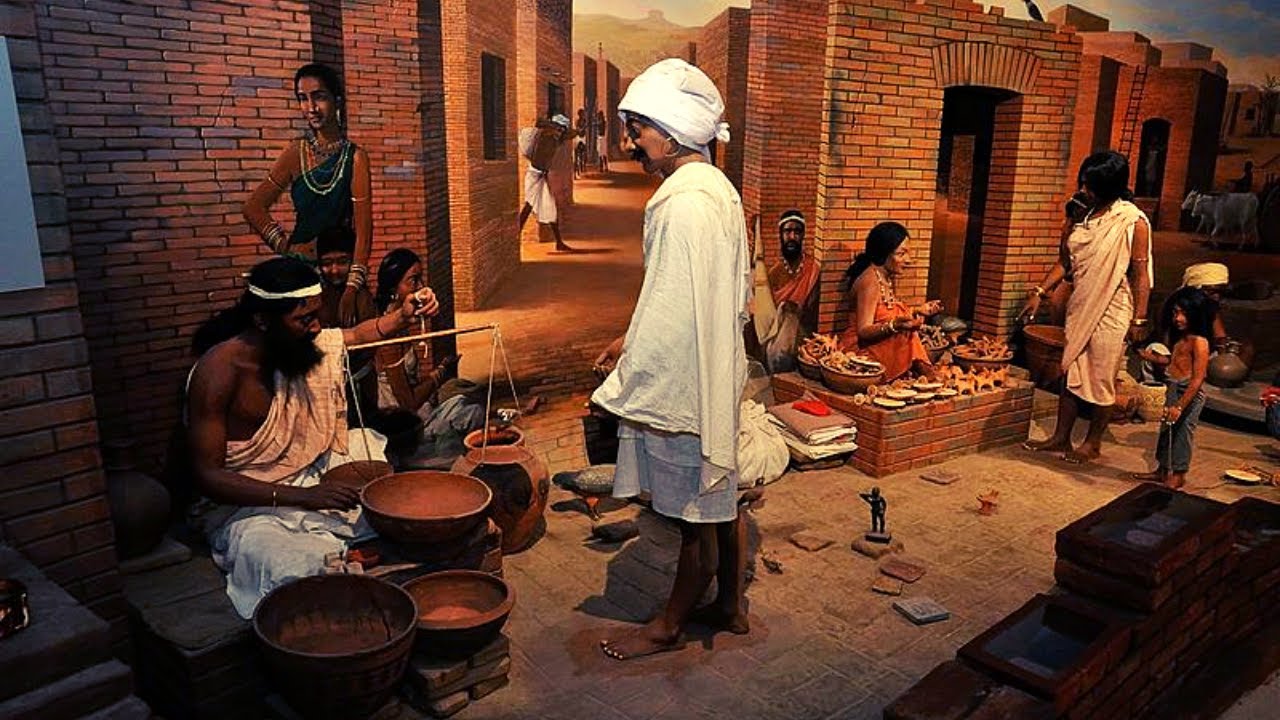
The Indus valley civilization is the oldest civilization found in Pakistan and in the northwest part of India today along the Indus River and its locality. The evidence of their religious beliefs in this region is dated around 5500BCE. Farming and urbanization in this area started in 4000BCE and 3000 BCE. With the passage of time, many cities and towns were formed and at the end of 2000BCE, Indus valley civilization was in its ultimate. Two of the famous towns are the Mohenjo-Daro located in the lower Indus and the Harappa more upstream. After the peak of the Indus valley civilization in 1800 BCE, this civilization had to face a decline. In the decline period this region disconnected with the near east, the writing began to disappear and the trade and tax system and measures were discontinued and some cities were abandoned
The presence of Sufism has been a leading entity increasing the reaches of Islam throughout the Indian subcontinent. Following the entrance of Islam in the early 8th century, Sufi mystic traditions became more visible during the 10th and 11th centuries of the Delhi Sultanate. A conglomeration of four chronologically separate dynasties, the early Delhi Sultanate consisted of rulers from Turkic and Afghan lands. This Persian influence flooded India with Islam, Sufi thought, syncretic values, literature, education, and entertainment that has created an enduring impact on the presence of Islam in Pakistan. Today, there are thousands of Sufi shrines and mausoleums which dot the landscape of Pakistan.
Pakistan is the treasure house of Muslims architecture. Lahore, the cultural hub of Pakistan, is situated along the bank of Ravi River. The city has witnessed the rise and fall of many dynasties like Ghaznawis (1021-1186 AD), Ghoris (1186-1202 AD) and slaves (1206 – 1524 AD) before the arrival of the Mughal dynasty (1524-1764 AD). All the important monuments like Royal Fort and the Badshahi Mosque, Wazir Khan’s Mosque, Tomb of Jehangir, Asif Jah, Noor Jehan and Shalimar Gardens, Hiran Minar etc., were constructed during this period. On the other hand, the shrines mosque & forts located in & around Multan and Bahawalpur are masterpieces of the early Muslim architecture. Some important buildings are; fort at Multan ad Derawar (Bahawalpur), the shrine of Shaik Bahaudin Zakaria, Shah Rukhne-e-Alam, Hazrat Shams Tbrez at Multan and tomb of Bibi Jiwandi at Uch Sharif near Bahawalpur. The tombs at Chakundi, 27km out of Karachi, the remains at Banbhore (64 km from Karachi) and the necropolis of a million graves scattered over an area of 10 sq.km at Makli hills, near Thatta, together with the Shah Jehan mosque of Thatta, are exquisite specimens of Muslim architecture, stone carving and glazed tile decorations.
Trip Highlights:
- Explore Karachi City
- Chaukundi necropolis
- Shah Jahan Mosque Thatta
- Shah Abdul Latif Bhattai tomb
- Shrine of Lal Shahbaz Qalandar
- Mancher lake
- Mohenjo-Daro archaeological site
- Kot Diji Fort
- Minaret of Masum Shah
- Faiz Mahal
- River Indus boat community
- Noor Mahel
- shrines of Sheikh Bahad-ud-din Zakaria, Shah Shams Tabriz and Shah Rukn-e-Alam
- Harappa ancient site
- Museum at Harrappa
- Badshahi Mosque
- Lahore Fort, built in the 11th century A.D
- Anarkali Bazaar
- Khewra Salt Mines
- Faisal Mosque
- Shakarparian garden, Daman-e-koh and Lok versa
UNESCO World heritage site Taxila
No details found.
Itineraries
Day 1
Arrival at Quiad-e-Azam International Airport in Karachi, meet with our Company representative, transfer to hotel, after some rest at hotel, sightseeing in around City, Visit Mausoleum of Muhammed Ali Jinnah, Visit shrines of Abdullah Shah ghazi at Clifton, Baba Abdullah,s Shrine is one of the most popular spots in Karachi, everyday thousands of devotees visit this tomb to offer prayers, lunch at local restaurant, after lunch we visit to National museum, Bori Bazar, Dhobi Ghat(washing area)Clifton beach, evening back to hotel, dinner and overnight at hotel.
Day 2
After breakfast drive to Chaukundi necropolis and visit, Drive to Makli and Visit, proceed to Thatta near Makli we will stop for Lunch at local resturant, Visit Shah Jahan Mosque. Further drive to Hyderabad, dinner and overnight at hotel.
Day 3
After breakfast, Visit the tombs of Talpur Kings, Hirabad. further drive to Bhit Shah, visit shah Abdul Latif Bhattai tomb, Shah Abdul Latif was a great Sufi poet of Sindh, proceed to Sehwan. Visit Shrine of Lal Shahbaz Qalandar, mud houses, ruins of fort, after visiting the shrine, drive to Larkana, on the way visit Manche r lake, dinner and overnight at Hotel.
Day 4
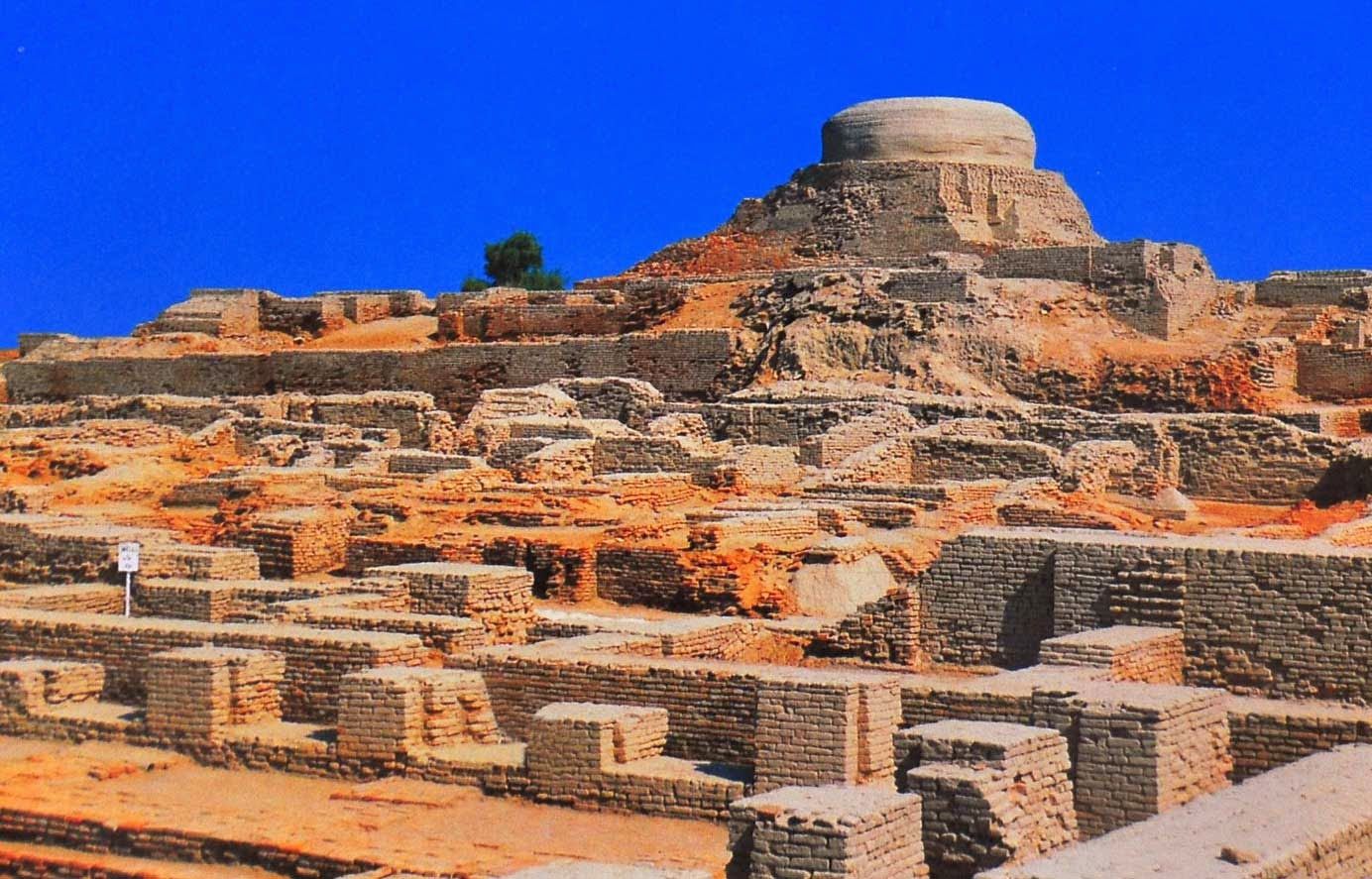
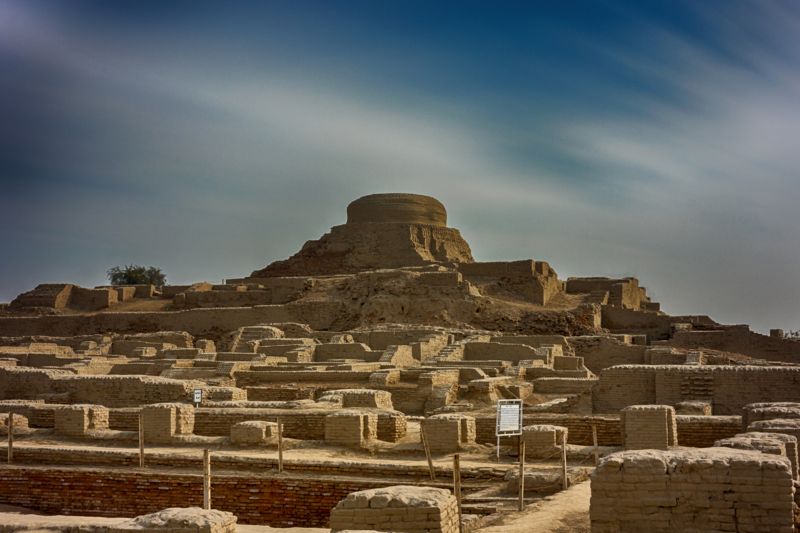
After breakfast drive to Sukkur, with a Visit to Mohenjo-Daro, enroute, Mohenjo-Daro is the archaeological site of Indus Civilization, which flourished here some 5000 years ago. This is third oldest Civilization in the world, being preceded only by those of Egypt and Mesopotamia.
From the articles discovered here it is believed that the Iron Age had not yet dawned on the Indus Valley Civilization, The museum displays interesting relics found during excavation, such as engraved seals, utensils, ornaments, weapons, sculpture, and pottery. Further drive to Sukkur, dinner and overnight at hotel.
Day 5
Full day sightseeing tour of Sukkur, after breakfast we will make en excursion to Kot Diji, which is a magnificent early 19th century Fort built by Talpurs, the former rulers of Sindh from 1789 until 1843.It is a well preserved Fort perched on the ridge of steep narrow hill and is an interesting place to Visit. Lunch at local restaurant at Sukkur, afternoon we will make a sightseeing tour of Sukkur, which has become a famous town in 10th century when Aror, the former capital of Upper Sindh was destroyed due to earthquake. We will also Visit Minaret of Masum Shah(16th Century), Faiz Mahal, an octagonal brick building with a glazed brick dome. From here we will continue to banks of River Indus to see Mohana boat people, who either live on their boats or in temporary mud huts on the banks of Indus, evening back to hotel, dinner and overnight at hotel.
Day 6
Today we will drive to Balawalpur via National Highway, which runs through irrigated farmlands and rich culture countryside of lower Punjab, On the way we will stop at Bhong, which boasts an extraordinary modern mosque started in the 1960s and winner of Aga Khan Award for Archjitecture,It is built in traditional style with extravagant use of gold leaf, mirror work and onyx,Its particularly famous for its stylized Arabic calligraphy,After Visit to Bhong,we again take our way to Bahawalpur,dinner and overnight at hotel.
Day 7
After a short drive through the Bahawalpur city,we will proceed to Multan,which is a historical city and known as city of Saints. On arrival at Multan, transfer to hotel, afternoon City tour of Multan that commences with visit old Fort, Which is an eloquent example of the proud history of this City, Among the attractions inside the fort are elaborately decorated shrines of Sheikh Bahad-ud-din Zakaria, Shah Shams Tabriz and Shah Rukn-e-Alam, Damdama, the highest point in the Fort, providing a birds -eye panoramic view of the Historical City. Which has survived the destructions of invaders since Alexander the Great in the 4th century B.C. Dinner and overnight at hotel?
Day 8
After breakfast we drive to Lahore via Harappa, Harappa is the site of an ancient and important settlement of the prehistoric Indus Valley Civilization(3rd to 2nd millennium B.C. and stands witness to 5000 years old Cultural continuity of Civilization in Pakistan. harrappa was the cradle of one of the earliest civilization known to man and conjures up images of fifty cebturies ago,a period about which very little is known. Visit Museum at Harrappa, lunch at local restaurant, proceed to Lahore, dinner and overnight at hotel.
Day 9
Full day City tour of Lahore, Visit old Lahore, Badshahi Mosque, famous Lahore Fort, Iqbal Park, The historic Lahore Fort, built in the 11th century A.D, is the only place where one can see different phases of Mogul, Visit Lahore museum, Anarkali Bazaar, lunch at famous food street, evening back to Hotel, dinner at local restaurant. Overnight at hotel.
Day 10
After breakfast drive to Islamabad via Motorway and with visit to Khewra Salt Mines, this is the 2nd largest salt Mines in the world, which were discovered long way back in 326 B.C, when Alexander the Great had a battle with King porus on the bank of Jhelum river, However, Dr. Warth introduced the scientific mining at Khewra in the year 1892 during the British Empire in the region. Afternoon we will visit Faisal Mosque, Shakarparian garden, Daman-e-koh and Lok versa, evening back to Hotel, Ddiner and overnight at hotel.
Day 11
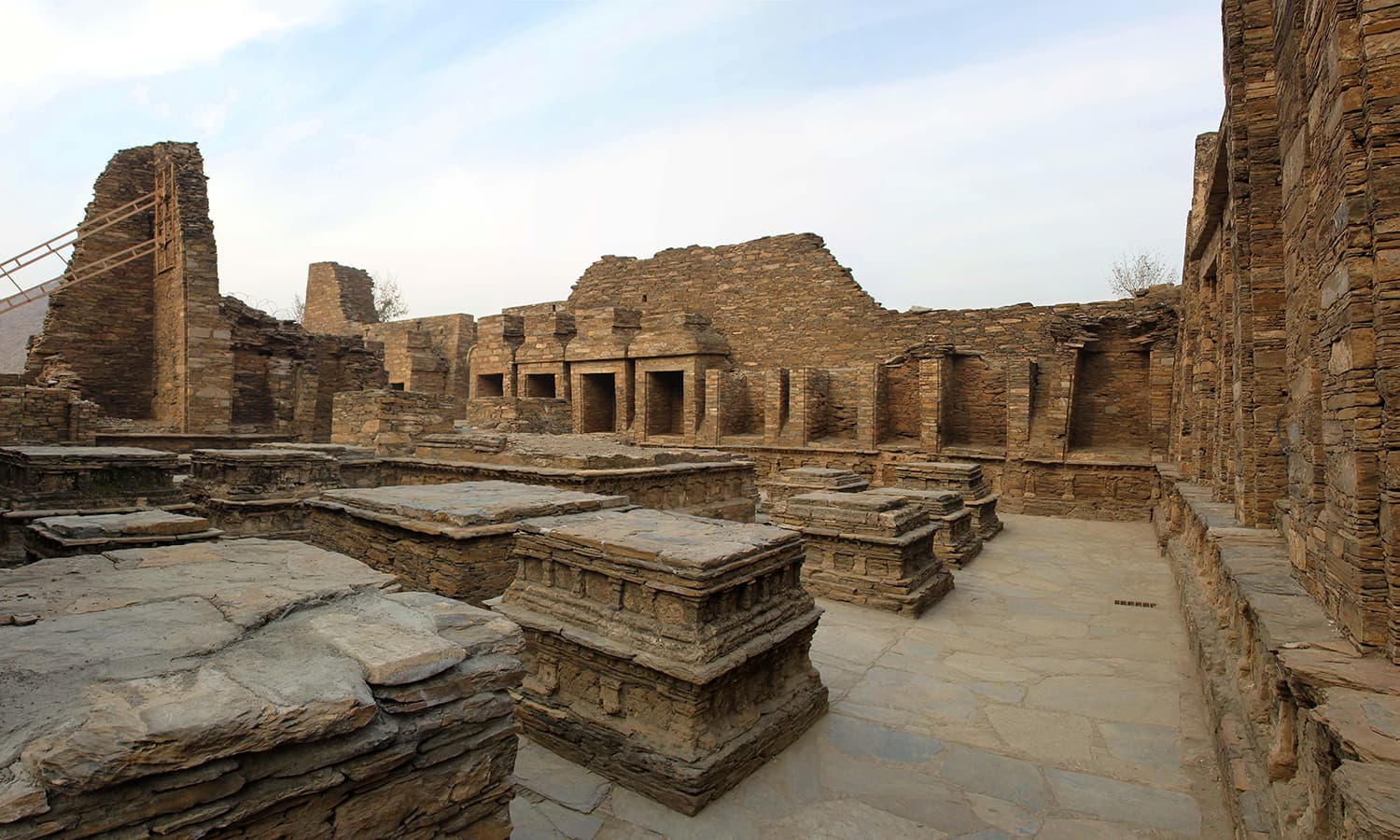
After breakfast, drive to Taxila, and A short drive 25km almost 45min brings us to Taxila, an UNESCO World heritage site and the most important site of Ghandara Cultures some 2000 years ago. Visit the Museum with rich collection of artefacts and statues of Buddha, dating back to pre-Christian era. After lunch at Taxila, we drive back to Rawalpindi, sightseeing in old bazaar of Rawalpindi, dinner at local restaurant with music, overnight at hotel.
Day 12
Early in the morning transfer to the Airport, fly back homeland, end of tour.
- Transport during the trip (as per the itinerary)
- Hotel rooms on twin sharing basis
- Jeep for Off-road
- Entry Tickets and Toll taxes as per the itinerary
- Driver’s expense
- Meal (Breakfast, Lunch, Dinner)
- International Airfare
- Visa Charges
- Travel & Medical Insurance
- Any personal expenses
- Any emergency expenses
- Refreshments
- Any other Sightseeing
- Extra Day or Night Expense
- Photography
Service not mentioned

Related Trips


Explore Baltistan Region
In case of flights both side 5Days/4Nights / In case of Flight one side 7Days/6Nights / In case of by road travels 9Days/8Nights


There are no reviews yet.